Research

Research

Our research connects the atomic scale to full engineering structures. Every project combines computation with hands-on experiments, and students at every level contribute.

00Our approach

One framework, many scales.

Advanced materials for aerospace, energy and biomedical applications face extreme environments: impact, thermal extremes and corrosive conditions.

Making these materials more resilient is essential to the safety, reliability and longevity of engineered systems. Our work integrates materials science, multiscale computational mechanics and rigorous experimental validation through advanced non-destructive evaluation (NDE), so that we can intentionally design multifunctional structural materials with long-term resilience and sustainability.

At the nanoscale, molecular dynamics simulations reveal how inclusions such as carbon nanotubes and graphene change a polymer’s mechanical, thermal and multifunctional properties. At the macroscale, we characterize damage and degradation in composites subjected to impact and lightning strike, and use phased array ultrasonic testing and X-ray computed tomography to validate our damage models.
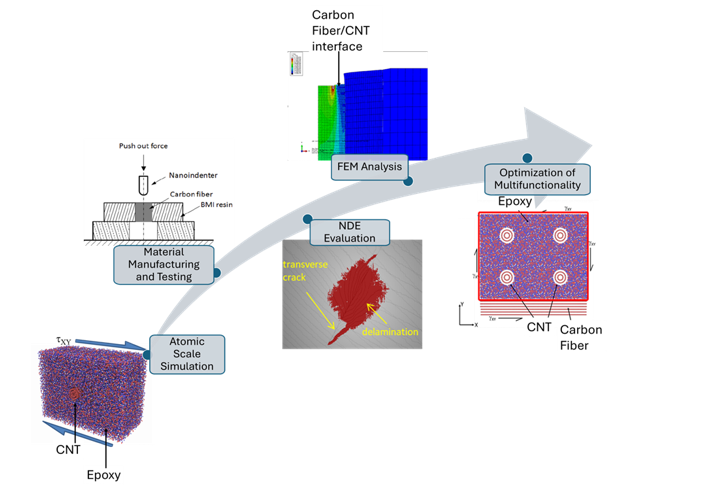
The MOSAIX multiscale framework, from molecular simulation to structural validation
01Atomic & molecular scale

Designing composites, atom by atom

How do tiny additives like carbon nanotubes and graphene change a polymer, and how do we find the best recipe without endless trial and error?

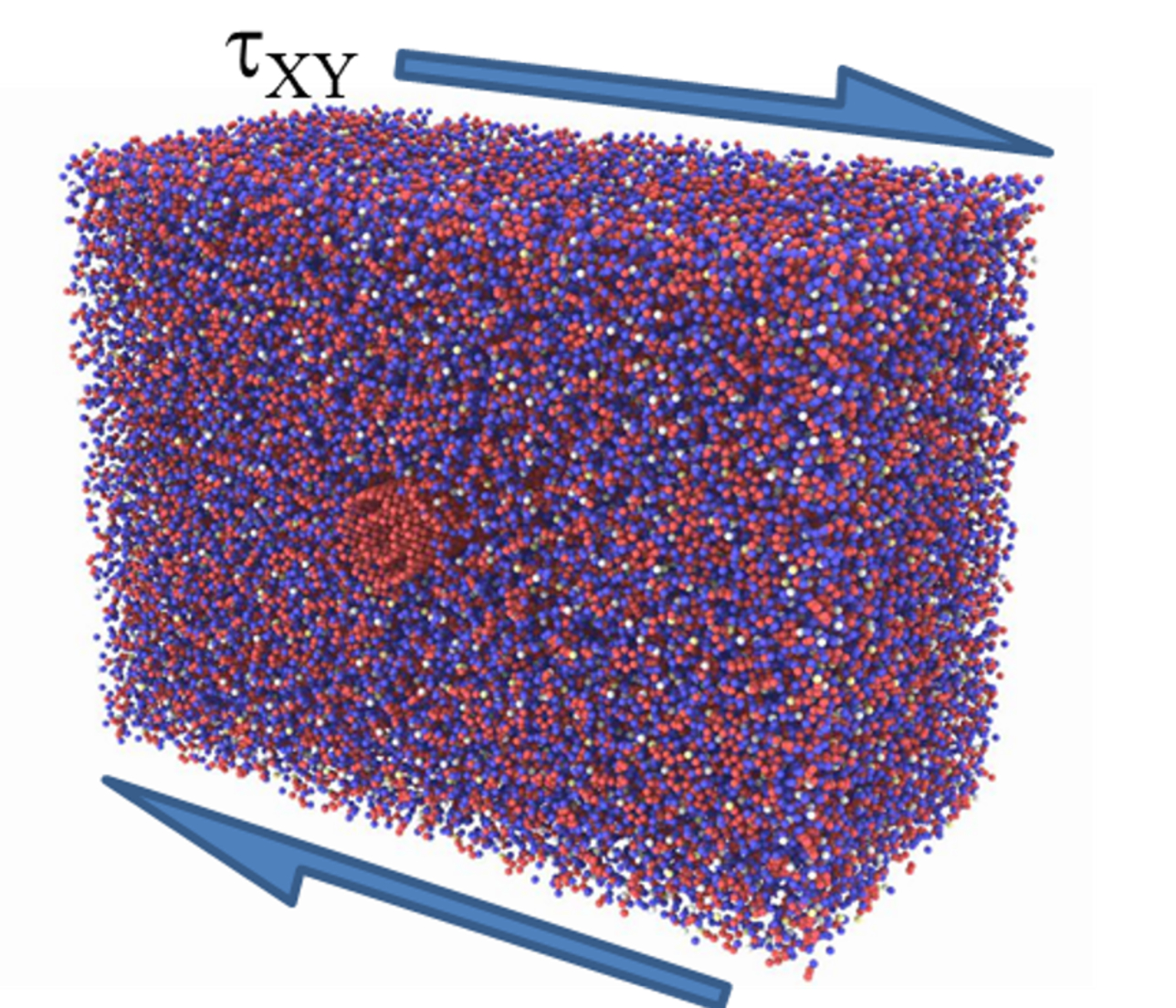
We use molecular dynamics simulations to capture what happens at the interface between an additive and the polymer around it, including interfacial mechanics, dispersion and volume fraction, and connect those atomic-scale details to the bulk properties engineers design with.

Molecular dynamics model of an epoxy under shear
Your role as a student

Build molecular models, run simulations on SLU's high-performance computing cluster, and analyze how structure controls properties.

02Non-destructive evaluation

Seeing hidden damage

An impact can leave a carbon-fiber part looking untouched on the outside while it is cracked inside. How do we find, and measure, damage we can't see?

We use ultrasonic testing, including phased-array scanning, and X-ray computed tomography, with automated and AI-assisted analysis that turns scans into numbers engineers can trust, and links them to how much strength the part has left.

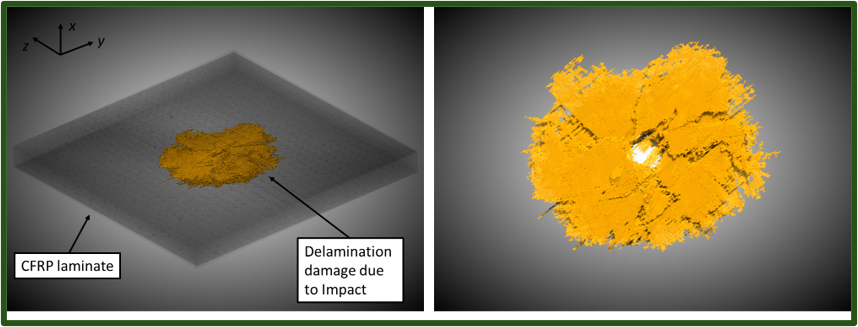
X-ray CT scan showing impact delamination inside a carbon-fiber laminate
Your role as a student

Make and impact composite panels, scan them, and write analysis code that quantifies the damage.

03Experimental & computational mechanics

Testing and modeling composite structures

How do composite structures deform and fail under real loads, and can we predict failure before it happens?

We test to ASTM standards on our 100 kN universal test frame, using 3D digital image correlation to map strain across the whole specimen, and pair every test with finite element models in tools like ABAQUS and ANSYS.

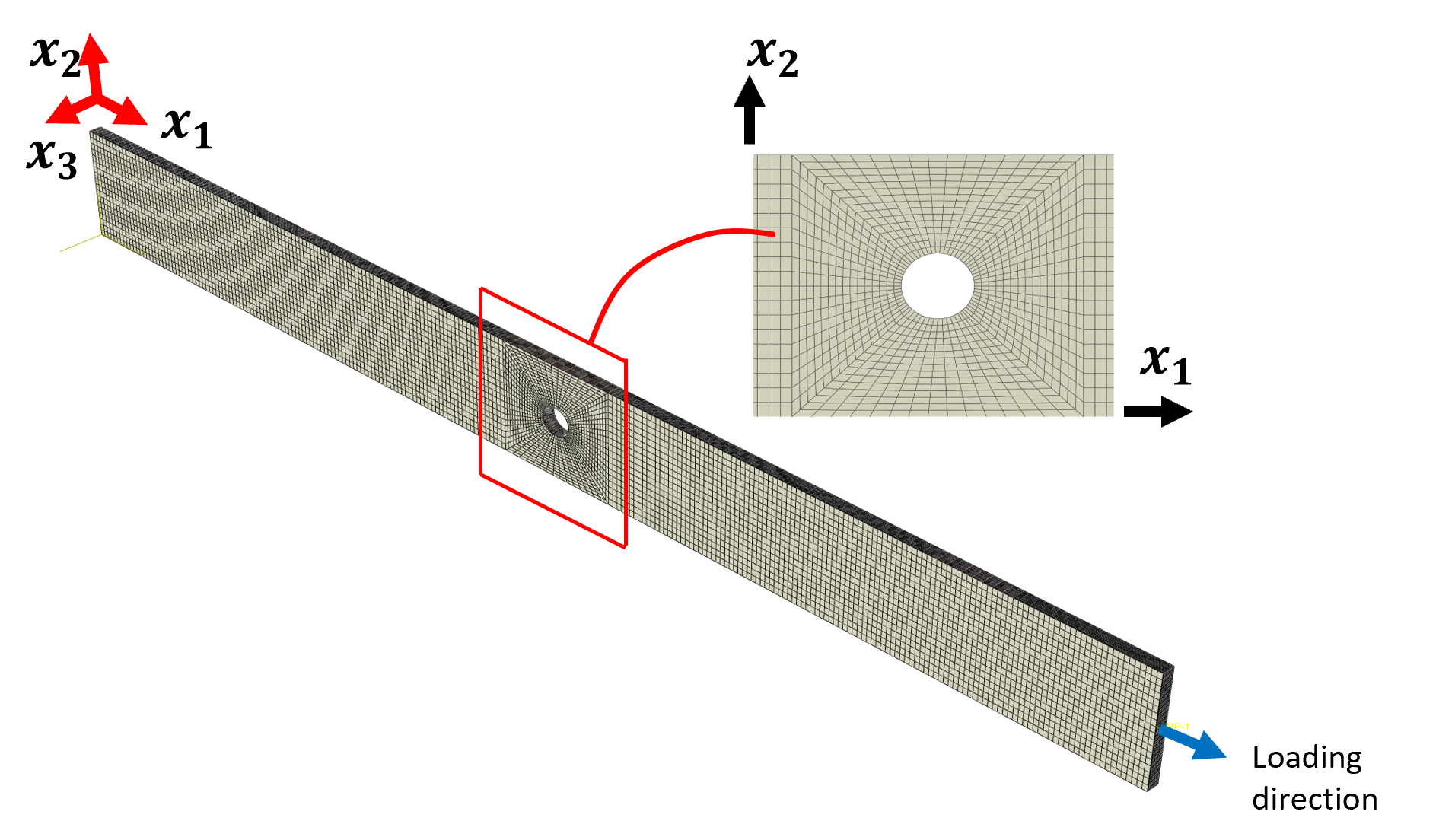
Finite element mesh of an open-hole composite coupon
Your role as a student

Make and test specimens, capture full-field strain data, and build models that match what you see in the lab.

04Advanced manufacturing

Advanced and in-space manufacturing

Can we build strong metal parts layer by layer without melting them, even from lunar regolith or recycled space debris?

We study solid-state friction stir additive manufacturing, then use mechanical testing and non-destructive inspection to understand how processing controls the properties of what we build.

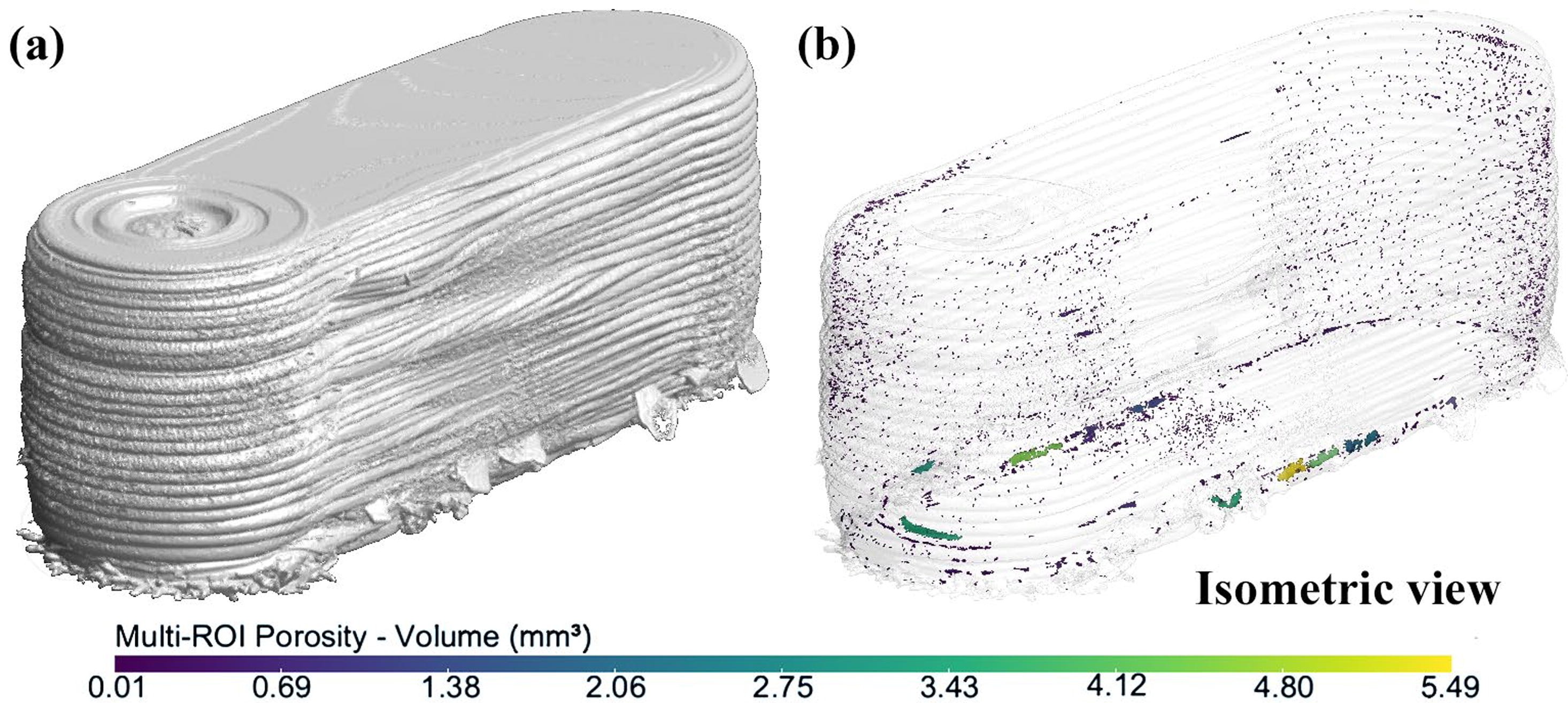
X-ray CT of an additively manufactured part showing internal porosity
Your role as a student

Help process and characterize printed metal and metal-matrix composite parts.

05Facilities

Tools of the trade.

Students in MOSAIX work hands-on with experimental and computational equipment.

Shimadzu AGX-V2 universal test frame

100 kN floor-standing frame for tension, compression and flexure testing to ASTM standards.

MatchID 3D digital image correlation

Stereo cameras that map displacement and strain across the full surface of a specimen.

High-memory simulation workstation

256 GB RAM workstation for molecular modeling, finite element analysis and data processing.

Libra high-performance computing cluster

SLU's research cluster, used for large-scale molecular dynamics simulations.

Get involved

Want to work on
one of these?

No prior experience is required, just curiosity and a willingness to learn. Tell us which project caught your eye.

How to join the lab